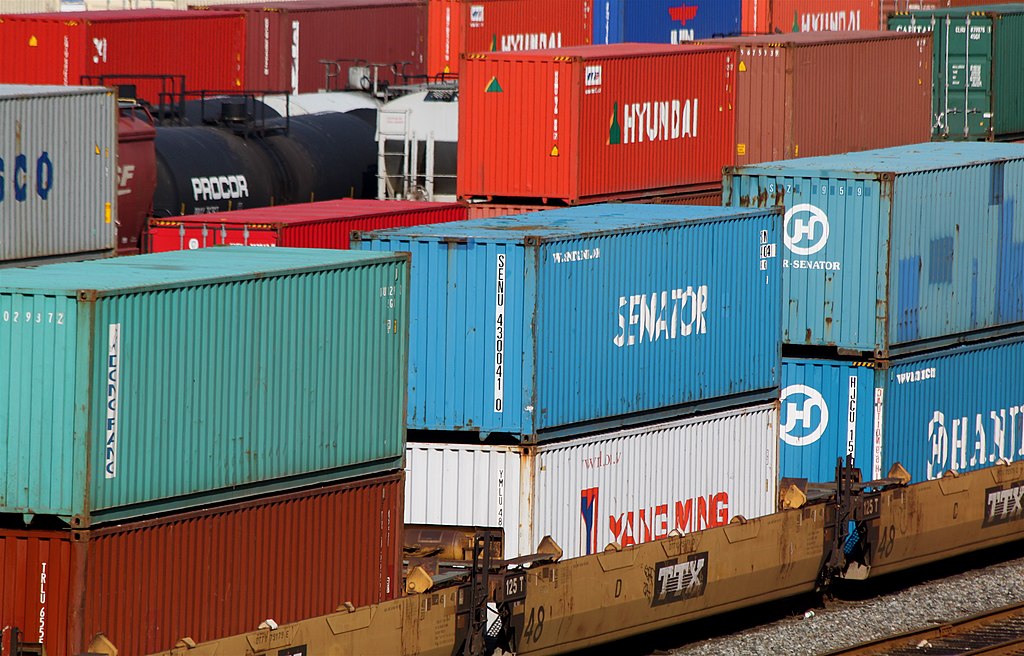
President Donald Trump confirmed that starting Tuesday, all imports from Mexico and Canada will face a 25% tariff, citing insufficient efforts to curb fentanyl trafficking. Additionally, China will see an extra 10% tariff, raising the total to 20%.
“There’s no room left for Mexico or Canada,” Trump stated at the White House, emphasizing that negotiations have reached a dead end.
Economists at Morgan Stanley warn these tariffs could increase U.S. inflation by 0.3 to 0.6 percentage points in the next few months, pushing PCE inflation to 2.9%–3.2%. U.S. GDP growth could also decline by 0.7%–1.1%, dropping to 1.2%–1.6%. A Mexican recession is now their base-case scenario.
Market strategists expect increased downside risks for economic growth, likely leading to a more dovish monetary policy. Sectors most vulnerable to the tariffs include IT hardware, autos, and consumer goods.
While an eleventh-hour resolution remains possible, Trump could either postpone the tariffs, implement them for a short period, or maintain them long-term. Analysts believe Mexico and Canada have a higher chance of reaching a resolution due to ongoing diplomatic efforts, whereas the China tariffs appear more persistent.
As trade tensions escalate, businesses and investors brace for potential economic shifts, watching for further policy developments.